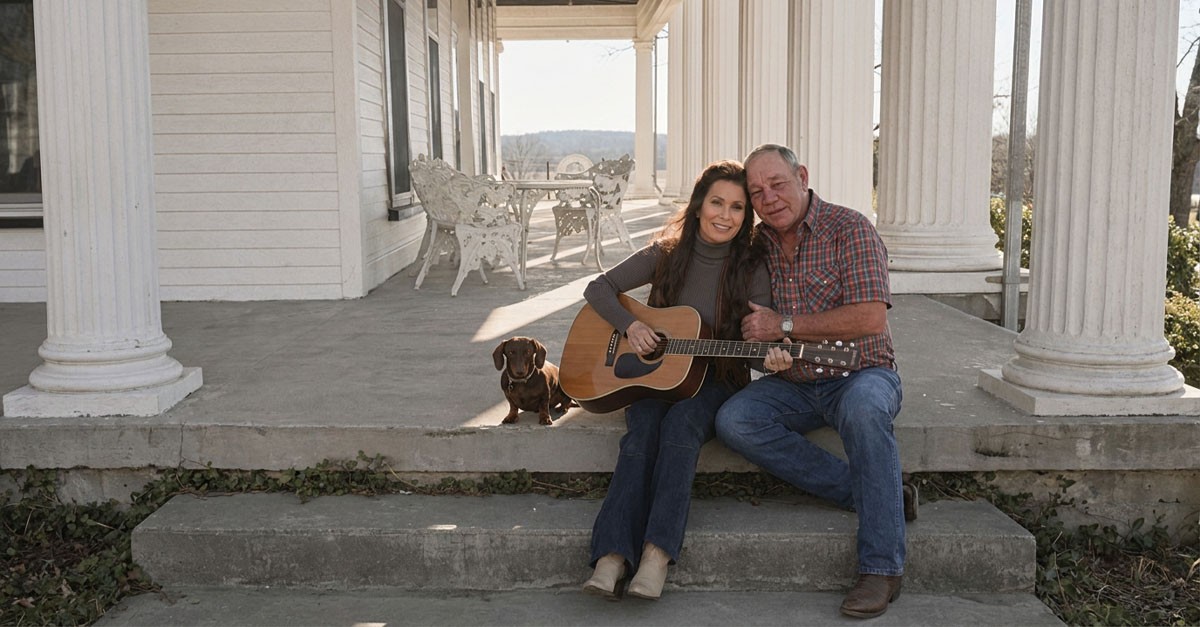
Imagine Carrie Underwood, Amy Grant, and Vince Gill bringing their very different musical gifts to the song. Underwood’s soaring country vocal, Gill’s understated musicianship, and Grant’s warm, devotional presence would create a moving portrait of how a familiar hymn can feel newly intimate and profoundly communal.
“How Great Thou Art” began as a Swedish poem by Carl Boberg, written in 1885. It was later translated into German and then into English, with the best-known English version associated with missionary Stuart K. Hine. The hymn’s verses move from the wonder of the natural world to Christian faith and, ultimately, the hope of salvation. That progression gives the song its distinctive emotional shape: it starts in contemplation and builds toward an expansive declaration of praise.
Its melody is equally important. The opening can feel quiet and personal, while the refrain opens outward, giving a congregation or a concert audience a chance to sing together. That structure offers performers room to begin gently, build gradually, and let the final lines carry both musical and spiritual weight.
The imagined arrangement begins with Carrie Underwood alone. Her first lines are soft and direct, as though she were singing not to a crowd but toward the heavens. Underwood is known for a vocal style that can move from controlled tenderness to striking power, a quality that suits the hymn’s gradual rise.
Beside her, Vince Gill offers a gentle guitar accompaniment. Rather than competing with the melody, his playing gives it space supporting the song’s rhythm and coloring the quieter passages. Gill is widely recognized as a singer, songwriter, and guitarist whose work spans country, bluegrass, and gospel traditions.
Then comes Amy Grant, whose presence shifts the emotional center of the imagined performance. Grant’s long career includes both contemporary Christian music and mainstream pop, and her warm, conversational vocal style can make a large room feel personal. As she joins the closing lines, the harmony becomes more than a musical flourish: it feels like an invitation for everyone listening to join in.
The power of this arrangement lies in its restraint. Underwood’s voice rises as the hymn unfolds, but the imagined performance does not need to rush toward its biggest moment. Gill’s guitar provides a brief instrumental passage, allowing the music to breathe before the song climbs again.
When Underwood returns, the contrast makes the vocal feel especially vivid. Gill’s harmony adds warmth rather than spectacle, and Grant’s voice brings a softer, comforting color to the final section. Their different approaches power, steadiness, and intimacy give the hymn a sense of conversation.
The result is not simply three celebrated artists taking turns in the spotlight. It is a shared interpretation in which each singer helps shape the song’s emotional journey.
In a performance like this, the audience’s response would be part of the music. A familiar hymn can prompt people to sing along, close their eyes, or simply listen in silence. Some might hear a cherished memory; others might find comfort in the words themselves.
That kind of response does not depend on tears, raised hands, or any single visible sign of emotion. A musical moment can be deeply meaningful in different ways for different people. What matters is the sense of connection: between performers and audience, between the present moment and personal memory, and between music and belief.
As the imagined lights dim and the voices come together, the stage seems to recede. The performance becomes less about who is singing and more about what the song allows the room to share.
The hymn’s staying power comes partly from its ability to hold both intimacy and scale. Its lyrics invite personal reflection, while its melody encourages collective singing. It can be performed with a full choir or a single voice, accompanied by an orchestra or, as in this imagined arrangement, a guitar.
That flexibility helps explain why artists from country, gospel, and contemporary Christian music continue to draw on it. The song offers room for vocal interpretation without losing its central purpose: an expression of awe and praise. Its familiar words also make it easy for an audience to become more than an audience to become a congregation in the broadest sense of the word.
An imagined performance of “How Great Thou Art” by Carrie Underwood, Vince Gill, and Amy Grant brings together three distinct musical personalities in service of one enduring hymn. Underwood’s vocal power, Gill’s sensitive guitar work, and Grant’s reassuring warmth would each contribute something different, while the song itself would remain at the center.
The deepest impact would come not from volume or applause, but from the shared pause that follows: the sense that, for a few minutes, music has made room for reflection, faith, and connection. That is the enduring gift of a hymn like “How Great Thou Art” and the reason it can make a concert hall feel, however briefly, like home.