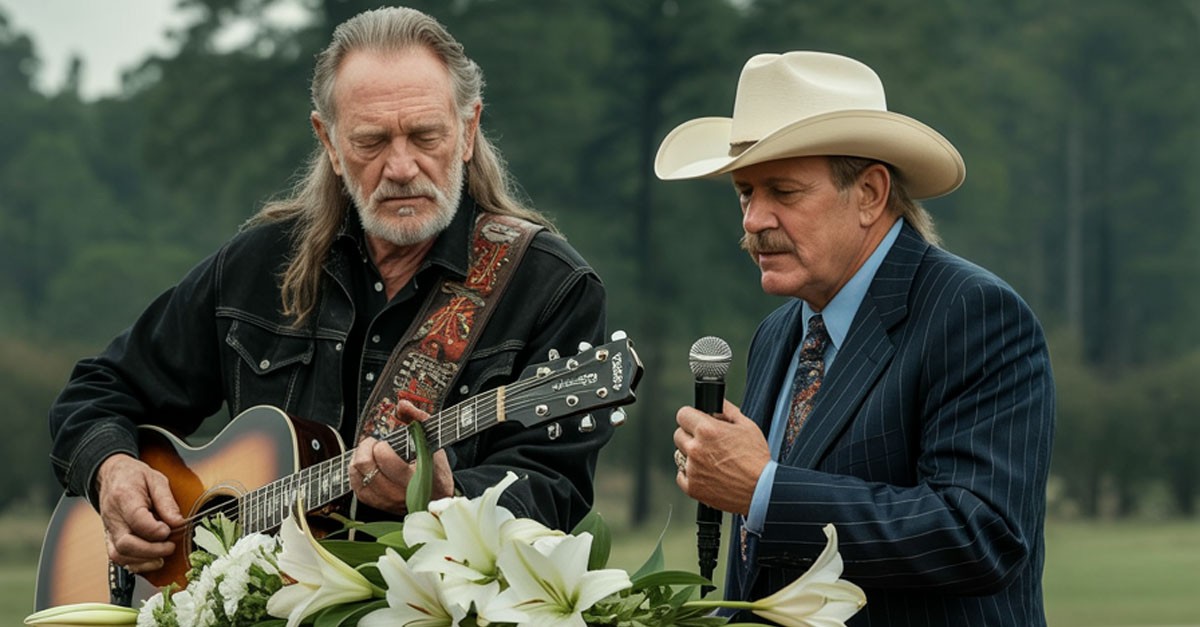
Born in 1929, Buck Owens became a prominent figure in the country music scene during the 1960s and 1970s. Known for his distinctive sound and innovative style, he reached the top of the charts an impressive twenty times. His influence was profound, shaping the Bakersfield sound that blended honky-tonk with rock elements. However, in 1980, Owens made the surprising decision to retire from performing, opting for a quieter life away from the stage. This withdrawal led many to believe that his contributions to music had come to an end.
Fast forward to the late 1980s, when a young Dwight Yoakam emerged as a rising star in country music. With a style that paid homage to traditional country while infusing it with a modern twist, Yoakam quickly gained a following. He had grown up idolizing Buck Owens, often listening to his records until they were worn out. This admiration culminated in a bold visit to Buck’s office in Bakersfield, where he had a unique request: he wanted Buck to revisit an older song from 1972 that had nearly flopped.
The song in question was "Streets of Bakersfield," a track that had not received the recognition it deserved upon its initial release. Buck, intrigued by Yoakam’s enthusiasm and passion for the song, agreed to record it again. This collaboration was more than just a revival of an old track; it represented a bridge between two generations of country music artists. On October 15, 1988, their version of "Streets of Bakersfield" topped the charts, marking Buck Owens' first chart success in sixteen years.
The success of "Streets of Bakersfield" was not merely a commercial achievement; it symbolized a deeper connection between Buck and Dwight. Their collaboration reflected the cyclical nature of music, where influences and inspirations flow seamlessly across generations. Buck’s willingness to embrace a younger artist’s vision and Dwight’s respect for the legacy of Buck Owens created a moment that resonated with fans. It was a reminder that music is a living, breathing entity that evolves while honoring its roots.
This collaboration had a lasting impact on the country music landscape. It signaled a resurgence of traditional sounds in a genre that was beginning to shift towards pop influences. Dwight Yoakam’s success helped pave the way for a new generation of artists who sought to blend the old with the new, ensuring that the rich history of country music was not forgotten. Buck Owens’ return to the charts also reignited interest in his earlier work, introducing him to a new audience and solidifying his status as a country music icon.
The story of Buck Owens and Dwight Yoakam is a testament to the power of music to transcend generations. Their collaboration on "Streets of Bakersfield" not only revived a neglected song but also reignited Buck’s career and showcased the importance of mentorship and respect in the music industry. As we reflect on this remarkable chapter in country music history, we are reminded that the bonds formed through music can create lasting legacies that resonate across time.
In the end, Buck Owens didn’t just return to the charts; he completed a significant cycle, passing the torch to a new generation while reminding us all of the enduring power of song.