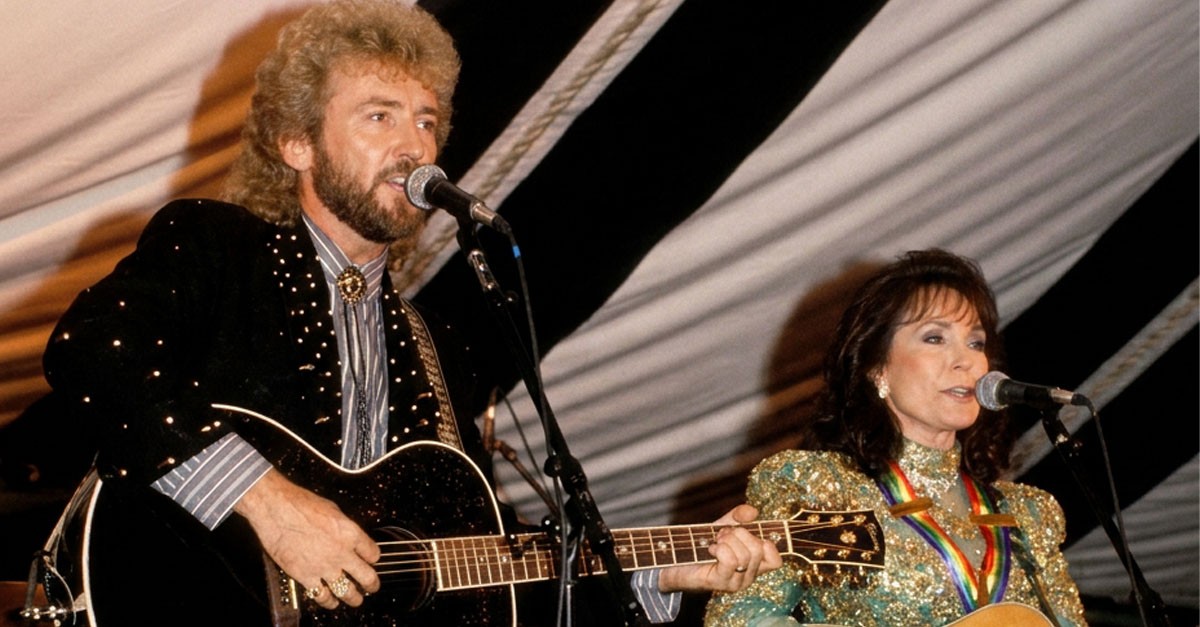
Born on February 26, 1932, in Kingsland, Arkansas, Johnny Cash grew up in a poor farming family during the Great Depression. His early life was marked by hardship, which would later influence his songwriting. Cash's career began in the 1950s when he signed with Sun Records, where he recorded hits like "I Walk the Line" and "Folsom Prison Blues." His deep, resonant voice and distinctive style earned him the nickname "The Man in Black," a persona that symbolized his empathy for the downtrodden and marginalized.
Throughout his career, Cash faced numerous personal struggles, including battles with addiction and the challenges of fame. Yet, these experiences shaped his music, allowing him to craft songs that spoke to the human condition with honesty and sincerity.
Johnny Cash's songs delve into a variety of themes, but three stand out as particularly significant: imprisonment, second chances, and faith.
Many of Cash's most iconic songs speak to the theme of imprisonment, both literal and metaphorical. Tracks like "Folsom Prison Blues" and "Cocaine Blues" reflect not only the experiences of those incarcerated but also the broader struggles against societal and personal constraints. Cash's empathy for the imprisoned stemmed from his own encounters with the law and his understanding of the human spirit's resilience.
Cash’s music often conveys a message of hope and redemption. Songs like "Redemption Song" and "The Highwayman" emphasize the importance of second chances and the possibility of transformation. His collaboration with fellow country legends, including Kris Kristofferson, in the supergroup The Highwaymen showcased this theme beautifully. Together, they told stories of characters seeking redemption and grappling with their pasts.
Faith is another central theme in Cash's music. His spiritual journey, marked by both doubt and conviction, is reflected in songs like "Will the Circle Be Unbroken" and "I Saw a Man." Cash's exploration of faith resonates deeply with listeners, as he often questioned and celebrated the complexities of belief, making his music relatable to many.
One of Cash's most powerful songs, "Hurt," originally written by Trent Reznor of Nine Inch Nails, was covered by Cash in 2002. The song's haunting lyrics and Cash's raw, emotional delivery create a poignant reflection on regret, loss, and mortality. The music video, featuring stark imagery of Cash's later years, serves as a powerful testament to his life and legacy. It resonates with listeners who see in it a universal struggle with pain and the passage of time.
Even after twenty-three years since his passing, Johnny Cash's voice continues to echo in every space it enters. His music transcends generations, inspiring new artists and touching the hearts of fans old and new. Cash's ability to express his struggles and moments of redemption with unvarnished honesty is what continues to resonate with audiences worldwide.
His influence can be seen in the works of contemporary artists across various genres, from country to rock to folk. The authenticity of his music and the depth of his storytelling set a standard that many strive to achieve.
Johnny Cash's legacy is one of profound impact and enduring relevance. His exploration of themes like imprisonment, second chances, and faith, combined with his powerful storytelling, has left an indelible mark on the world of music. As we remember the Man in Black, we celebrate not only his life but also the timeless messages embedded in his songs. Johnny Cash may have left this world, but his voice and spirit live on, reminding us of the power of music to heal, reflect, and inspire.