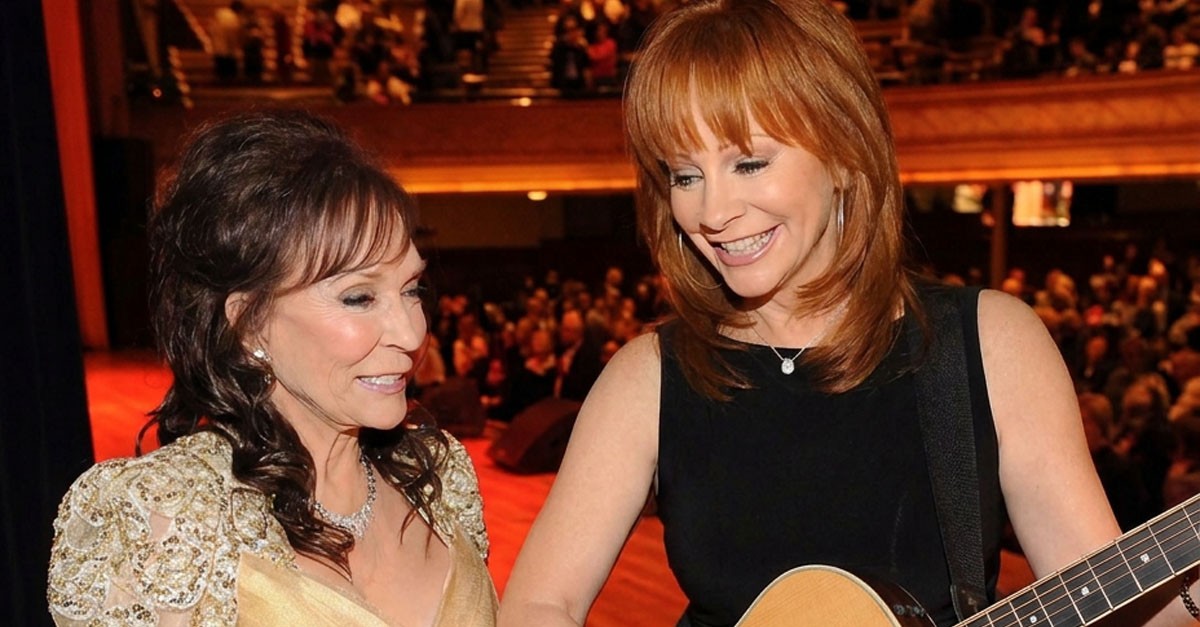
In this scene, Blake Shelton and Trace Adkins arrive at a memorial in Norman, Oklahoma, where fans have left flowers, hats, and handwritten notes. They sing one of Keith’s songs, not as a performance but as a remembrance. When the final chord fades, Adkins reflects: “Toby never sang halfway.” Shelton adds, “He taught us how to be loud… and how to mean it.”
Whether remembered in a private gathering or a public ceremony, the idea behind this tribute deserves attention: the best way to honor an artist is not simply to repeat the songs, but to carry forward the conviction that made them matter.
Keith was known for bold songs and a commanding presence. But volume alone doesn’t make a song last. His music connected because it carried a point of view one delivered with confidence, humor, pride, and, at its best, unmistakable feeling.
That is what the imagined words of Shelton and Adkins capture. “Be loud” is only half the lesson. “Mean it” is the rest.
For artists, that means writing and performing with honesty instead of chasing a moment. For listeners, it means hearing the person behind the persona. And for anyone remembering Keith, it means honoring the values that gave his music its force: commitment, directness, and a willingness to stand behind what you say.
There is a natural temptation to measure a memorial by its size: the crowd, the cameras, the celebrity appearances. Those things can bring people together, and public tributes have a real place. But spectacle is not the same as sincerity.
A small gesture can make the meaning clearer. A guitar, a bouquet, a pause in the evening air these details remind us that grief and gratitude are personal before they are public. The imagined scene in Norman resonates because it puts friendship and remembrance ahead of performance.
Some may object that celebrity tributes risk turning loss into a story about the famous people doing the remembering. That concern is worth taking seriously. A tribute should never overshadow the person it honors, or imply that an unverified private moment happened as fact. The scene here is best understood as a reflection a way to think about what a meaningful remembrance might look like, not a confirmed report.
And the larger point doesn’t depend on celebrity at all. Fans can honor Keith by returning to the songs, sharing what they mean, supporting the musicians who carry country music forward, or simply telling someone why a particular lyric stayed with them.
Carry the lesson forward
A memorial marks a loss. A legacy asks something of us.
Toby Keith’s legacy is not preserved by nostalgia alone. It lives whenever a songwriter chooses honesty over imitation, a performer sings with genuine conviction, or a listener finds courage and comfort in a song. The quietest tribute is not necessarily the smallest one. Sometimes it is the one that changes how we listen and what we do next.