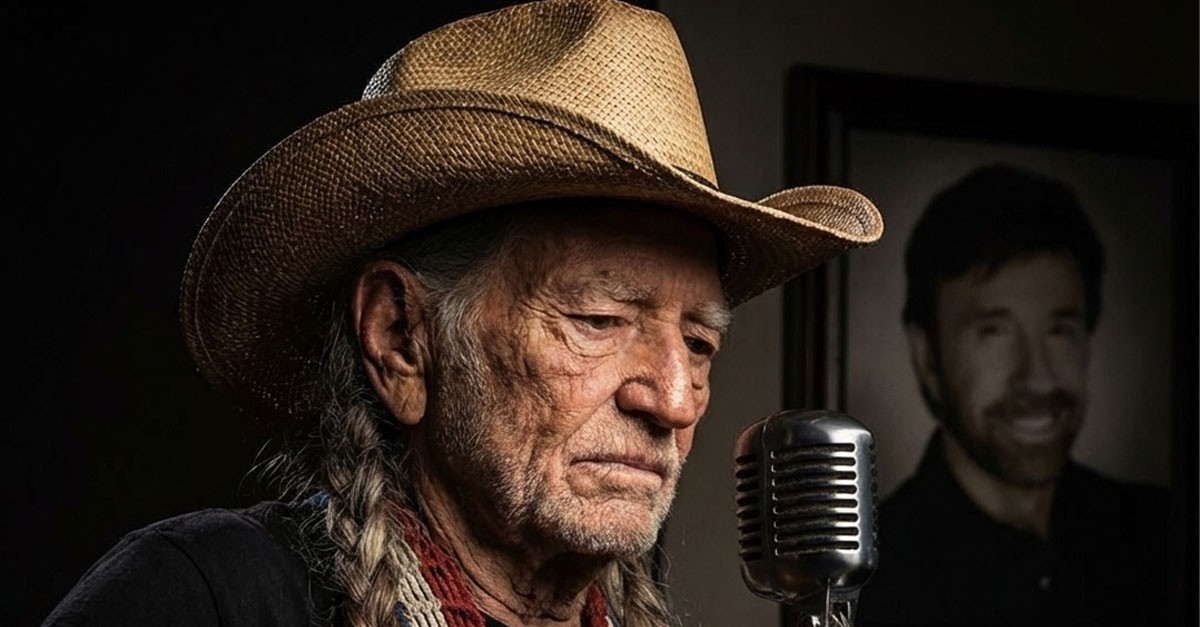
Lukas Nelson walked onto the stage with no grand production or dramatic flair. Armed only with his guitar and a heartfelt connection to the song, he began strumming the familiar opening chords of “Always on My Mind.” In the audience sat Willie Nelson, a towering figure in country music, yet in that moment, he was simply a father. The absence of spectacle allowed the raw emotion of the moment to take center stage.
One of the most striking aspects of Lukas’s performance was his decision to interpret the song in his own voice. He didn’t attempt to mimic his father’s distinctive phrasing or vocal style. Instead, he delivered the lyrics with a steady, reflective tone that resonated deeply with the audience. This choice was not just a stylistic preference; it was a profound acknowledgment of the journey he had taken as an artist and as a son.
Observers noted that Lukas’s rendition felt less like a cover and more like a conversation. As one concertgoer remarked, “He didn’t try to sound like Willie, and that’s what made it powerful.” This authenticity allowed the audience to connect with both the song and the artists on a personal level.
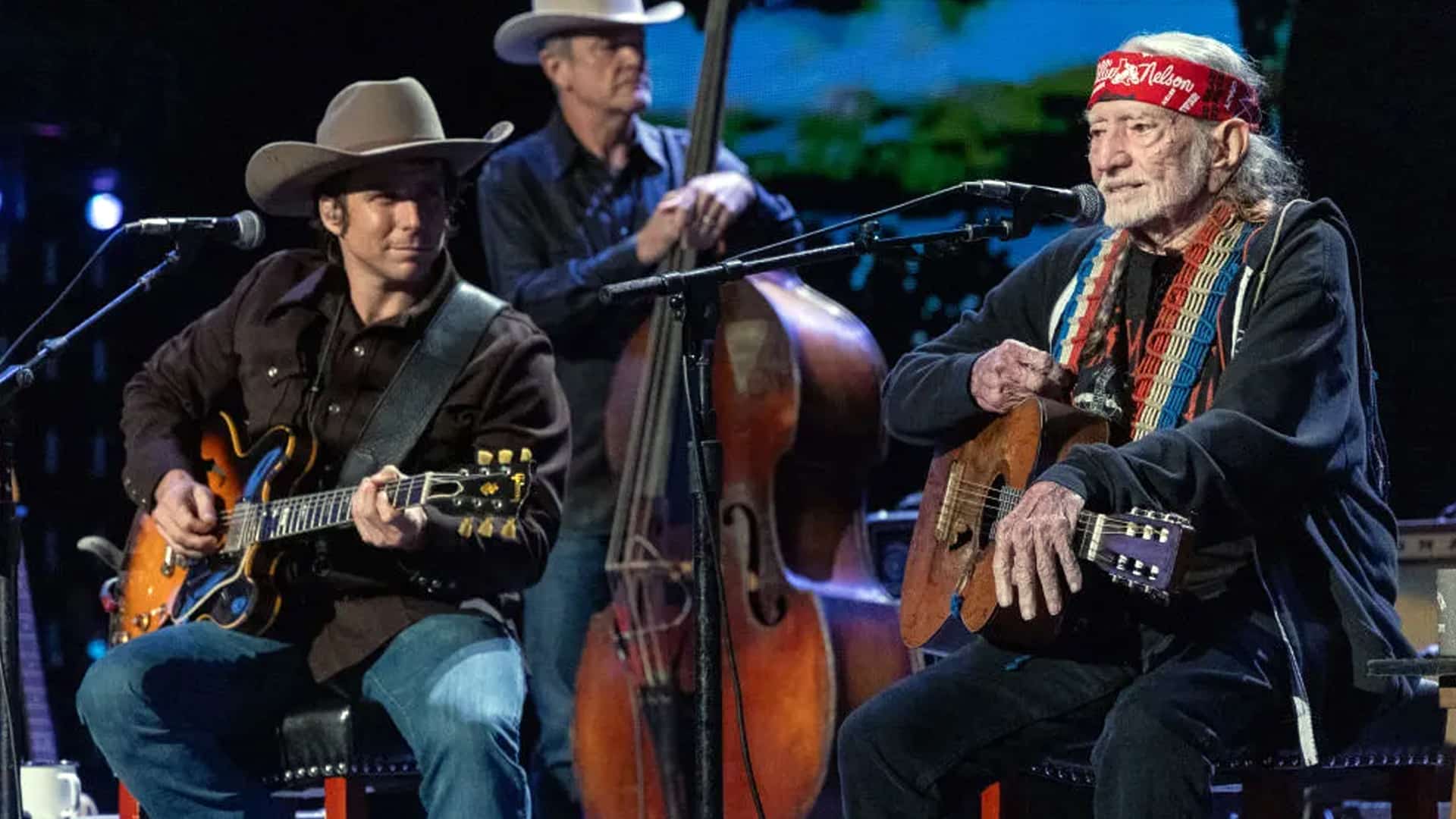
As Lukas moved through the verses, the atmosphere in the room shifted. Conversations faded, and the usual sounds of a concert phones buzzing, people moving quieted. When the chorus arrived, rather than erupting in applause, the audience fell into a profound silence. This was not a silence born of anticipation; it was a collective moment of presence, where everyone was fully engaged in the emotion of the performance.
In that hushed environment, Willie Nelson was not the legendary outlaw country artist known worldwide but a father listening intently to his son. The emotional weight of the moment was palpable. As one fan later described it, “It felt like he was hearing the song in a completely new way.” This encapsulates the essence of the performance: a son singing his father’s story back to him.
Originally released in 1982, “Always on My Mind” has become one of Willie Nelson’s signature songs, earning multiple Grammy Awards and cementing its place in the annals of country music. The song speaks to themes of love, regret, and reflection—emotions that resonate deeply within familial relationships. For Lukas, performing this song was not merely a tribute; it was a way to honor the legacy of his father while also carving out his own identity as an artist.
Music historians often note that great songs evolve with each generation, and Lukas’s interpretation exemplified this idea. By infusing his personal experiences and insights into the performance, he demonstrated how music can be both a personal and collective journey.
As the final note faded, the audience responded with sustained applause, but the atmosphere remained contemplative rather than boisterous. Many attendees later described the performance as an intimate experience, one that felt rare in the context of a public concert. It was a moment that transcended the typical boundaries of a musical performance, resonating deeply with everyone present.
Willie Nelson, now in his nineties, has witnessed countless performances throughout his storied career. Yet, this moment stood out. The emotional connection between father and son, coupled with the shared experience of the audience, created a unique tapestry of memory and legacy.
Lukas Nelson’s performance of “Always on My Mind” was more than just a song; it was a heartfelt tribute and a testament to the evolving nature of musical heritage. By choosing to interpret the song in his own voice, Lukas not only honored his father’s legacy but also highlighted the importance of personal expression in music.
As one fan poignantly wrote after the show, “It wasn’t just a son singing his father’s song. It was a reminder that music, like family, keeps growing with every generation.” In that quiet, powerful moment, Lukas and Willie Nelson reminded us all of the enduring bond between parent and child, and how music can serve as a bridge connecting their stories across time.