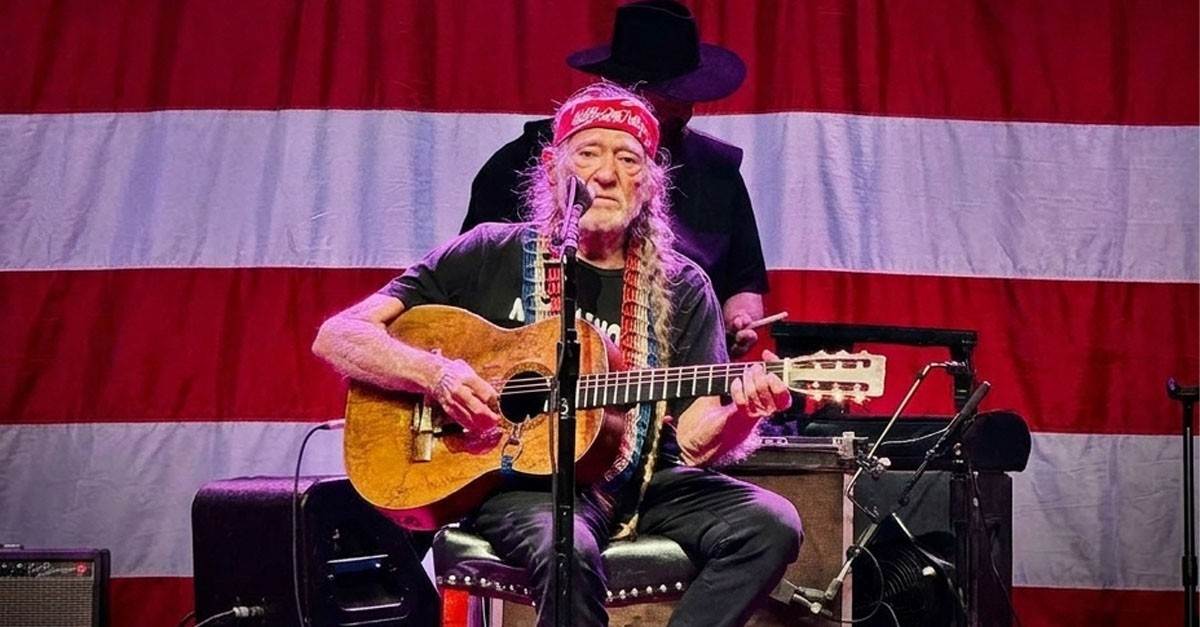
Born on September 1, 1933, in Friars Point, Mississippi, Harold Jenkins was the son of a poor family during the Great Depression. His parents, both hardworking individuals, instilled in him a strong work ethic, but their financial struggles meant that music was not a luxury; it was a necessity. The sounds of gospel music from local churches and the blues that permeated the night air became the soundtrack of his childhood, shaping his musical sensibilities and aspirations.
Despite his passion for music, young Harold faced rejection from the industry. He tried various avenues to break into the music scene, but it wasn’t until he adopted the stage name Conway Twitty after a town in Arkansas and a famous Twitty City in Nashville that he began to gain attention. His journey was marked by years of hard work, persistence, and an unwavering belief in his talent, even when the world seemed to turn its back on him.
Conway Twitty’s breakthrough came in the 1970s, when his unique blend of country and rockabilly, coupled with his deep, resonant voice, captivated audiences. Songs like “Hello Darlin’” and “It’s Only Make Believe” showcased his ability to convey raw emotion, often drawing from his own life experiences. Each of his 55 number-one hits told a story, resonating with fans who found solace in his music.

Twitty’s influence on country music cannot be overstated. He pioneered a sound that merged traditional country with elements of pop and rock, paving the way for future artists. His ability to connect with listeners through heartfelt lyrics and powerful performances earned him a place in the Grand Ole Opry and multiple awards, solidifying his legacy as one of the genre’s greats.
Following Conway Twitty’s death in 1993, his family began to share insights into the man behind the music. They revealed that despite his public persona of confidence and success, he struggled with personal demons that often went unnoticed. The pressures of fame, coupled with a relentless work ethic, took a toll on his mental health. His family described him as a deeply private individual who rarely shared his vulnerabilities, often masking his struggles with a smile.
In interviews, Twitty’s family spoke of the profound love he had for his family, often putting their needs above his own. They recounted how he worked tirelessly to provide for them, even when it meant sacrificing his own well-being. This complex relationship between his public success and private struggles paints a fuller picture of the man who gave so much to country music while grappling with the weight of his own experiences.
Conway Twitty’s journey from Harold Jenkins to a country music icon is a testament to the power of perseverance and the human spirit. His remarkable talent and dedication led him to create a legacy that continues to influence artists today. However, the revelations from his family remind us that behind every successful persona lies a deeper story one filled with challenges, sacrifices, and unspoken truths.
As we listen to his timeless hits, it’s essential to remember the man behind the music, whose life was as poignant as the songs he sang. Conway Twitty’s legacy is not just in the number-one hits he achieved but in the heartfelt stories that resonate with anyone who has ever faced adversity. His family’s revelations serve as a reminder that even the most celebrated figures can carry burdens unseen, and it is these complexities that make their stories truly compelling.