
Music has the magical ability to transcend time, and songs that possess an innate charm often gain new life years after their initial release. This is particularly true for a certain country track that began its journey in 1957, sung first by the iconic George Jones. It was a B-side that eventually faded from radio play, only to be revived later by another country legend, Roger Miller, who infused it with his unmistakable style.
The landscape of country music was incredibly vibrant in the late 1950s. The genre was on the brink of transformation, embracing various influences that shaped its distinct sound. George Jones, revered for his emotive delivery and storytelling ability, was already carving his niche during this period. His rendition of the song introduced audiences to an aching beauty, yet it remained an untold story in the back catalog of country history.
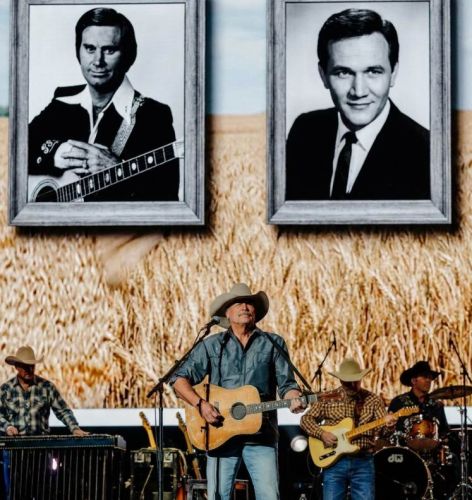
Fast forward to a few years later, when Roger Miller reimagined the same melody with a touch of playfulness. He depicted a sonic portrait that gleamed with the possibility of reconnecting with audiences in unexpected ways. The charm of the song lay not only in its melody but also in its evocative lyrics that captured the essence of life's fleeting moments. However, the cycle of rediscovery wasn’t over yet. As time passed, the song lingered like an unread letter a treasure waiting to be uncovered.
The song's original release saw it overshadowed by more prominent hits, leaving it to wait patiently for the right opportunity. One of the significant aspects of country music is how it embodies a sense of nostalgia, epitomizing life's trials, tribulations, joys, and moments of reflection. As the years moved on, the song remained a hidden gem, waiting for someone to breathe life back into it.
When Roger Miller took the stage, he infused new spirit and character into the song, keeping it alive while adding his playful flair. His take became a whisper of the past, encapsulating sentiments that were as relevant then as they are today. Miller's ability to connect with listeners through humor and warmth offered a refreshing perspective on the classic piece, ensuring its legacy continued.
Yet, a significant chapter remained unwritten until Alan Jackson, with his distinctive vocal style and down-to-earth storytelling, stumbled upon the song during a recording session for his best of album. Unbeknownst to him, he had tapped into an eternal heartbeat, a track that connected him to both Jones and Miller through the annals of country music. The unfolding destiny promised to unravel moments of surprise and delight an exploration into the past, woven through the universal language of song.
Alan Jackson's foray into the realm of this rediscovered classic would culminate in a unique expression that transcended generations. In that moment he pressed play, he found himself transported to a time where nostalgia clashed harmoniously with a modern approach, crafting a sound that appealed to both younger and older audiences alike.
With a style that is synonymous with the heart of country music, Jackson masterfully captured the essence of the song while infusing it with his signature flair. The marriage of his evocative voice with the song’s captivating storyline created a phenomenon that delighted listeners. It illustrated the charm of country music the way it finds its way back, enveloping listeners in its rich history and emotional depth.
What truly made Jackson's recording enchanting was the delicate interplay between the old and new, as well as his deep admiration for the legends who came before him. Having no initial knowledge of Jones's co-writing role added an exciting twist to the narrative as he later reflected on this serendipitous encounter with a smile. Such rediscoveries often weave together complex stories of admiration, remembrance, and melody all characteristics ingrained in the heart of country music.
One of the defining features of country music is its ability to connect generations through shared stories and experiences. When Alan Jackson revived the song, it not only resounded with contemporary audiences but also became a bridge linking the talents of George Jones and Roger Miller. The essence of country music lies in its storytelling power, often reflecting personal journeys that find resonance with listeners no matter their age.
The generational connection is woven deeply into the fabric of country music, creating a unique space where diverse influences can explore themes relevant to their respective eras. George Jones, being a pioneer in his time, set a precedent for lyrical profundity and emotional delivery that would ensure his impact would resonate through the decades. His earlier recordings often explored personal heartbreak or moments of joy, his life experiences turning into relatable narratives that would inspire countless artists.
Skip forward a few generations to Roger Miller, who stood amongst giants in the music scene in the 1960s. Miller expanded the narrative scope of country music, offering a lighter and more whimsical take on the traditional themes. His ingenuity helped shift the perception of country music towards a more inclusive celebration of storytelling—bringing forward elements of humor and everyday life while still paying homage to the genre's deep roots.
And thus, the stage was set for Alan Jackson, who infused a sense of respect and reverence into his work, echoing the sentiments of both Jones and Miller. He bridged the gap between eras while cherishing their legacies, creating a poignant reminder that music is indeed timeless. The song became a celebration of camaraderie within the genre, where each artist's contribution enriched the narrative, showcasing the charm of country music as it meandered between the shores of the past and the shores of the present.
Nostalgia plays an essential role in the emotional connection listeners have with country music. Moments of reminiscence and the desire to reflect on the past invoke feelings of longing and warmth, drawing together the threads of experiences that shape our stories. When Alan Jackson recorded the song, he tapped into this nostalgic spirit that enriched the overall listening experience.
Listeners often find themselves transported to the days of their youth, surrounded by warm memories, laughter, and the presence of loved ones. The evocation of simpler times becomes a powerful catalyst for connection, fostering a sense of belonging even amidst life's complexities. This sense of nostalgia not only defines the genre but connects various generations who resonate with shared experiences, as reflected through timeless melodies and lyrical depth.
By addressing universal themes that everyone can relate to, country music becomes a vessel for nostalgia, enabling individuals to revisit moments of fleeting joy while echoing the messages of love, heartbreak, and reflection. The charming simplicity of the stories encapsulated within the melodies ensures that past emotions are rekindled each time the song plays. With Jackson's take, listeners immerse themselves in a wave of memories, feeling embraced by a familial spirit that echoes through generations.
In essence, the interpretative journey of the song highlights the nostalgic nature of country music—the way it bridges connections across decades and reminds audiences of shared humanity. And so, each reinterpretation serves as a reminder that great stories are never truly lost; they often emerge anew, stirring feelings that enrich our lives as they travel through time.
The song eventually climbed to number 1 in 1995, marking a monumental achievement in Alan Jackson’s career and a significant moment for country music as it intertwined the legacies of three beloved artists. With Jackson’s strong vocals and the upbeat, celebratory nature of the tune, the song found its place in the hearts of many, standing as a testament to the enduring power of storytelling in music.
The cultural significance of the song stretches far beyond its chart-topping status it embodies a narrative that unites fans of country music across demographics. As people hear Jackson’s rendition, they’re not just listening to a catchy tune; they are participating in a shared experience that resonates with heartfelt emotion and nostalgia. The humor and warmth infused into the lyrics invite listeners to reminisce about their experiences, creating a collective atmosphere rich with connectivity that is often present in country music.
Moreover, the track exemplifies the crossover potential within the country genre as it bridges various listening audiences. Its cheerful melody, characterized by lively instrumentation paired with raw emotion, provides an entry point for newcomers while simultaneously resonating with longtime fans. This kind of inclusivity and adaptability is paramount within the ever-evolving landscape of country music, allowing it to flourish while continuing to honor its roots.
In many ways, this song serves as a symbolic link among generations, where admiration for great artists intertwines as a unifying force within the genre. As Alan Jackson triumphantly embraced the legacy of George Jones and Roger Miller, he reinforced the notion that country music is a continuously evolving narrative a bringer of joy, reflection, and enduring connections for artists and listeners alike.