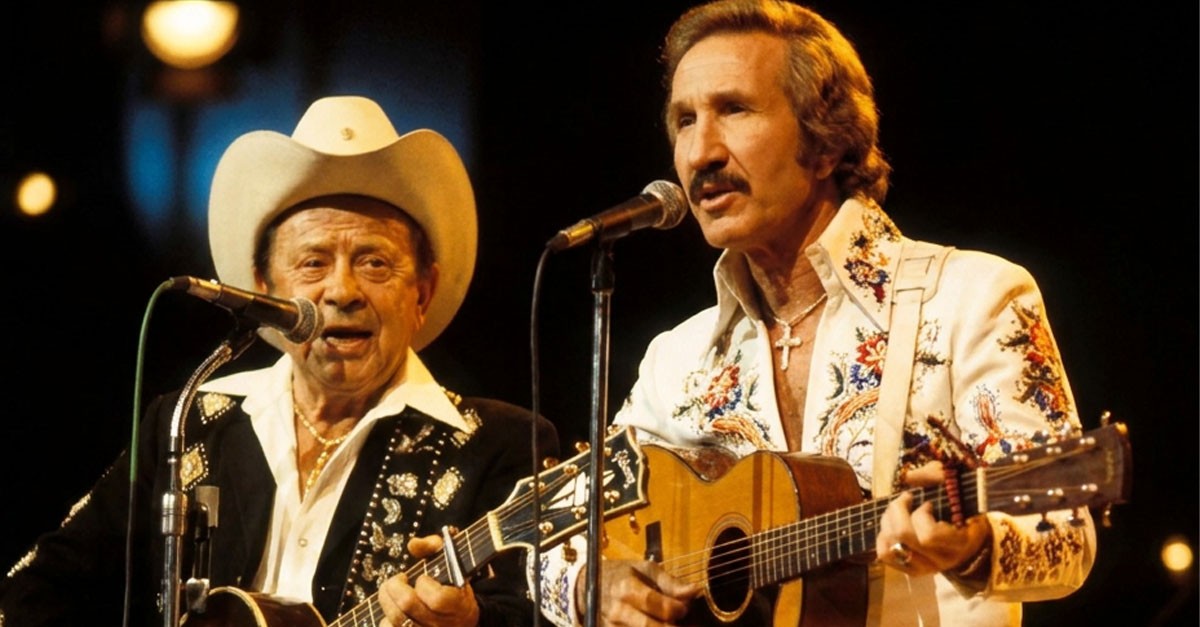
Gill's performance was part of his ongoing project, 50 Years From Home, which reflects on his long and storied career that began in Oklahoma over half a century ago. This initiative is not just a retrospective of his professional life filled with accolades, including 22 Grammy Awards, but a deeply personal exploration of his roots and the people who have influenced his path.
The song he performed was co-written with Jordan Fletcher and Maggie Rose, and it serves as a tribute to mothers everywhere those who watch their children leave home, carrying with them the love and lessons imparted over the years. The lyrics resonate with the bittersweet nature of separation while celebrating the enduring strength of a mother’s love. It’s a reminder that some songs are not just crafted for public consumption but are deeply personal expressions meant for those who matter most.
The emotional weight of the song was intensified by a significant twist in Maggie Rose's life; she discovered she was expecting a child of her own. This revelation added layers of meaning to the lyrics, transforming the song from a reflection on motherhood into a lived experience. It encapsulated the generational bond between mothers and children, weaving together themes of memory, gratitude, and the unconditional love that persists despite the passage of time.
As Gill performed, the audience was not just witnessing an artist reflecting on his past; they were experiencing a convergence of generations, where the essence of motherhood and familial love was celebrated in a single moment. This connection made the performance all the more poignant, emphasizing that the most powerful songs often speak to universal human experiences.
One of the most touching aspects of this tribute was Gill’s recollection of his mother’s favorite sound—not the applause from adoring fans, but the sound of him playing the dobro. This detail adds a layer of intimacy to the performance, illustrating that while Gill has achieved incredible success, the music that resonates most with him and with his mother is the music that reflects his authentic self.
The dobro, an instrument that has become synonymous with Gill's sound, serves as a symbol of their bond. Its presence on the cover of the song is not merely decorative; it represents a shared memory and a connection to his roots. It reminds us that at the heart of every great performance is a story a narrative that often begins at home.
The Opry Lights, the Prayer, and the Woman Who Heard Him First
When Vince Gill stepped onto the Grand Ole Opry stage, he transformed what could have been a typical concert into a sacred moment of gratitude and reflection. Under the iconic lights of the Opry, he offered a quiet salute to his mother the woman who recognized his talent long before the world did. It was a tribute that felt both personal and universal, encapsulating a century of motherhood and the profound impact it has on our lives.
In an industry that frequently prioritizes loudness and spectacle, Gill’s choice to embrace stillness and intimacy was a powerful statement. His performance was a reminder that the most impactful songs are often those that draw us back to our beginnings, to the people who shaped us, and to the love that continues to guide us.
Vince Gill's tribute at the Grand Ole Opry was not just a celebration of a remarkable career; it was an homage to the enduring bond between a mother and her son. In a moment filled with emotion, Gill reminded us all of the power of love, memory, and the roots that ground us. As he sang for his mother, he also sang for every parent who has ever watched their child leave home, carrying with them the love and lessons of a lifetime. This performance, marked by its simplicity and depth, serves as a beautiful testament to the idea that music, at its core, is about connection connecting us to our past, our loved ones, and the essence of what it means to be human.