George Jones, often referred to as "The Possum," is a name synonymous with country music. With a career spanning over five decades, Jones left an indelible mark on the genre. His ability to convey raw emotion through his music made him a beloved figure among fans and fellow artists alike. Hits like "He Stopped Loving Her Today," "Choices," and "The Grand Tour" are just a few examples of his profound impact. His unique voice and storytelling ability transformed the landscape of country music, influencing generations of artists and songwriters.
Jones' tumultuous life, marked by personal struggles and triumphs, only added to the depth of his artistry. His battles with addiction and his eventual redemption story resonated with many, making his music not just entertainment, but a source of solace and understanding for those facing their own challenges.
Alan Jackson, a stalwart of contemporary country music, has often cited George Jones as a significant influence on his own career. Known for his traditional country sound and heartfelt lyrics, Jackson's music embodies the spirit of the genre that Jones helped shape. When Jackson took the stage to honor Jones, fans knew they were in for a memorable evening.
As Jackson began to sing "He Stopped Loving Her Today," the audience felt the weight of the moment. This song, often regarded as the pinnacle of country music, tells a story of heartbreak and loss that resonates universally. But as Jackson reached a pivotal moment in the performance, he paused, creating a palpable tension in the air.
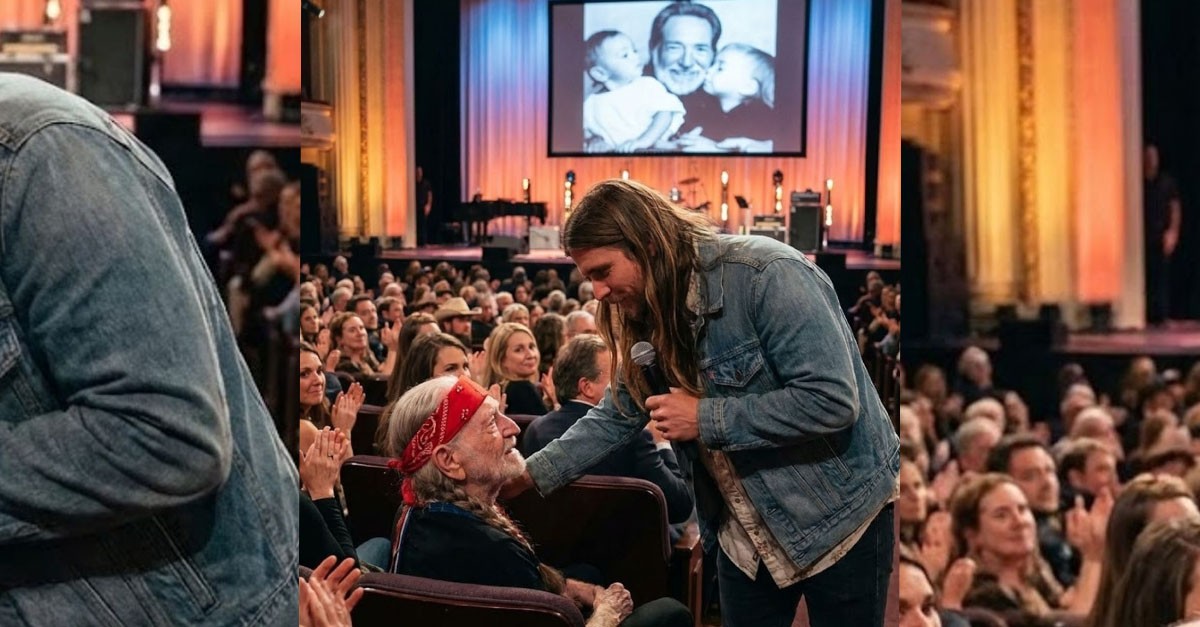
In a stunning display of respect and love, Jackson called George Jones' widow, Nancy, to join him at the microphone. The audience erupted in applause, recognizing the significance of this gesture. As Nancy stepped onto the stage, the emotional gravity of the moment was undeniable. Together, they sang, their voices intertwining in a tribute that was both personal and universal.
The sight of Nancy Jones standing beside Alan Jackson, both visibly moved, highlighted the deep connections forged through music. As they sang, it was clear that this moment was not just about honoring George Jones' legacy; it was about celebrating love, loss, and the healing power of music. The audience watched, some wiping away tears, as the two shared their grief and gratitude for a man who had given so much.
This tribute underscored the profound impact that music can have on healing and remembrance. For many, George Jones' songs were a soundtrack to their lives, marking significant moments of joy and sorrow. The act of coming together to honor his memory served as a reminder of how music can unite people in shared experiences.
Jackson's tribute to Jones not only celebrated the artist's legacy but also highlighted the importance of community in the grieving process. Fans gathered to remember a beloved figure, and in doing so, they found solace in each other's company, united by their shared love for Jones' music.
As the night drew to a close, the audience left with hearts full of gratitude for the music that had shaped their lives. Alan Jackson's tribute to George Jones, particularly the emotional moment shared with Nancy, was a testament to the enduring power of country music. It reminded everyone that while artists may pass on, their music and the memories they create live on forever.
Through performances like this, the legacy of George Jones continues to thrive, inspiring new generations of artists and fans alike. As long as there are voices to sing his songs, George Jones will never truly be gone. His influence will echo through the halls of country music, a reminder of the beauty and pain that life brings a reminder that, indeed, he never stopped loving her.