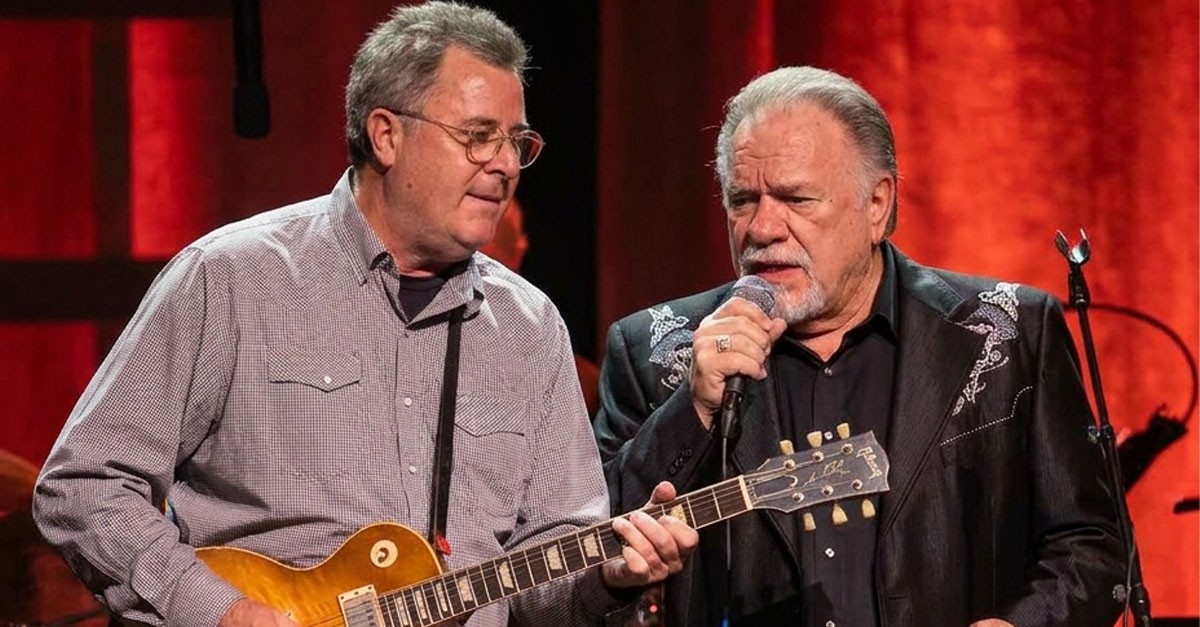
Inside the Hendersonville Church of Christ, the atmosphere was both somber and celebratory. Esteemed artists such as Marty Stuart, Connie Smith, Bill Anderson, and Ricky Skaggs were present, each representing a generation of country musicians who had been inspired by Wells. Their presence underscored the impact she had on the music industry, where she opened doors for many who followed in her footsteps.
Eddie Stubbs, the voice of the Grand Ole Opry and a former fiddle player for Wells, stood at the pulpit and called for a moment of recognition. As he asked everyone to rise, the church filled with a slow, heartfelt applause a final standing ovation for a woman whose life had profoundly mattered. This moment transcended the typical funeral service; it was a celebration of a remarkable legacy.
Kitty Wells was more than just a successful artist; she was a pioneer. With twenty-five Top 10 hits and the distinction of being the first woman to top the country charts, her achievements were historic. From 1953 to 1968, she was consistently recognized as the No. 1 female country singer in Nashville, a feat that remains extraordinary.
Wells emerged during a time when country music was predominantly male-dominated. However, her unique voice and authentic storytelling resonated with listeners, allowing her to carve out a significant space for women in the genre. She sang with a calm strength, articulating the emotions and experiences of many women who had previously felt unheard.
The service at Hendersonville was a reflection of Wells' influence on both her peers and the genre as a whole. As Ricky Skaggs and The Whites performed the hymn "I Saw the Light," the atmosphere in the church became especially poignant. The song resonated like a final blessing, encapsulating the love and respect felt by all in attendance.
As the casket was slowly wheeled from the church, family members followed, tears in their eyes. The simplicity of the scene belied the immense significance of the moment a voice that had once filled concert halls and radio stations was now being carried away by those who loved her most.
Outside the church, tributes from fellow country legends further illustrated the depth of Wells' impact. Loretta Lynn stated, “Kitty Wells will always be the greatest female country singer of all time. She was my hero.” Charlie Daniels echoed this sentiment, saying, “A Queen died today. The lady who set the standard for all who followed.” Such acknowledgments were not mere formalities; they were heartfelt recognitions from artists who understood the trail Wells had blazed for women in country music.
Kitty Wells was laid to rest at Spring Hill Cemetery in Nashville, a city that had witnessed her remarkable journey. Sixty years earlier, no one could have predicted the transformative impact her voice and songs would have on the genre. Her funeral marked the end of a chapter, but her legacy continues to resonate.
The last standing ovation given to Kitty Wells was a testament to her profound influence on country music. Every tear shed and every hand that clapped spoke to a larger truth: Kitty Wells did not just sing country music; she helped shape it. On that July day, the Queen of Country Music received a final farewell worthy of the extraordinary life she lived.
Kitty Wells’ legacy is a reminder of the power of music to transcend boundaries and inspire generations. As we reflect on her life and contributions, it becomes clear that her influence will endure, continuing to inspire future artists and fans alike. The standing ovation at the Hendersonville Church of Christ was not just a farewell; it was a celebration of a life that changed the landscape of country music forever.